
La flacidez es mala durante y después del embarazo. Muchas de las recientes y futuras mamás consideran la liposucción como una forma de recuperar el cuerpo en forma que tenían. Aquí están algunas de las preguntas más comunes sobre el embarazo y la liposucción contestadas.
P: ¿Es un desperdicio de dinero hacerse una liposucción antes del embarazo?
R: Si bien la liposucción puede hacer una gran diferencia en cómo te ves y te sientes, y esto sin duda tiene sus beneficios, la mayoría de los doctores aconsejan NO hacerse la lipo antes de tener un bebé. La razón es que, no importa cúan delgada y apretada estés, el tener “un pastel en el horno” estirará sin duda la piel de tu cuerpo. Esto significa que se perderá todo lo que hayas podido lograr con una liposucción previa, y esto no tendría sentido monetariamente hablando.
P: ¿Por qué tantas mujeres se hacen una lipo después del embarazo?
R: La respuesta es simple. Después de que tu cuerpo se extienda luego de llevar a un bebé, tendrás áreas de flacidez y tejido extras. La liposucción es una gran manera de empezar a recuperar tu antiguo cuerpo. Es un camino largo y difícil para recuperar tu cuerpo a la forma en que estaba, luego de un embarazo, y muchas mujeres encuentran a veces que la dieta y el ejercicio por sí solos demoran en dar los resultados que desean.
P: ¿Es difícil quedar embarazada después de una liposucción?
R: Absolutamente no. Debido a que este procedimiento se dirige a áreas de tejido graso, no tiene relación alguna con el sistema reproductivo. Sin embargo si estás pensando en tener un bebé en los siguientes meses, es mejor posponer este procedimiento ya que como se mencionó al comienzo podría resultar ser un desperdicio de dinero y no tendría sentido. Si te cuesta quedar embaraza y buscas la manera de lograrlo, entonces el libro “Milagro para el Embarazo” de Lisa Olson te ayudará sin duda.
Q: ¿Qué pasa con la liposucción mientras está embarazada?
R: Si bien algunas mujeres han hecho esto, los médicos están en contra. Por un lado, cualquier tipo de cirugía durante el embarazo pone al cuerpo en peligro. Esto aumenta la probabilidad de riesgos y también causa estrés para el cuerpo de la madre y el cuerpo del bebé. Otra razón es que una no debe tener ningún anestésico cuando está embarazada. Ya que esto puede causar serios problemas y poner en riesgo la vida del bebé. En lugar de esto, espera hasta que tengas un niño o niña saludable en tu regazo, y ¡recién ahí considera hacerlo!
Q: “Tuve una liposucción después de tener a mis hijos, pero el peso volvió … ¿qué pasó !?”
R: Si bien es una gran manera de quitarse la grasa más difícil del cuerpo de forma instantánea, la liposucción no tiene una garantía de por vida. Una vez que lo has hecho, tienes que comer saludable, hacer ejercicio regularmente, y pesarte en la balanza de vez en cuando para ver cómo va todo y mantener ese cuerpo magro y delgado por largo tiempo. No hay otra forma.
En conclusión sólo considera someterte a una liposucción sólamente después que hayas tenido tu bebé, y recuerda que si quieres mantener alejados esos kilos y esa grasa de más deberás adoptar un estilo de vida mas saludable.


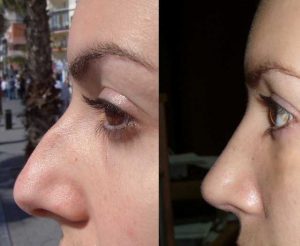 La rinoplastia (también conocida como “cirugía de nariz”) es un tipo de cirugía plástica que se utiliza para mejorar la función o la apariencia de la nariz de una persona.
 ¿Sabe usted que, ya sea un chico o una chica, una de sus partes anatómicas que constantemente están siendo objeto de miradas ¿es el trasero? Muchos dicen que un trasero prominente y firme es una de la partes más atractivas del cuerpo humano. Y ¿no cree que lo es? ¡Ciertamente que sí!
 La cirugía estética es una forma cada vez más común que tienen las personas para mejorar su apariencia de una forma que de otra manera sería imposible. La cirugía estética no debe ser confundida con la cirugía plástica, aunque las dos pueden ser muy similares.
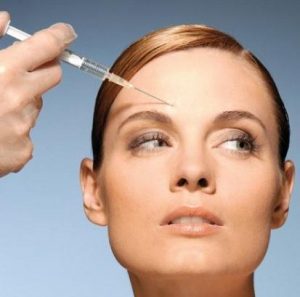 La cirugía plástica se ha vuelto increiblemente popular en los últimos años. Pero, ¿Qué es en realidad? y ¿Por qué está motivando a la gente a hacersela? Esto porque casi 14 millones de personas recurrieron a la cirugía plástica el 2005. ¿Por qué? Las razones son diferentes en cada persona, pero algunas muy comunes pueden encontrarse consistentemente.